Is Tap Water Safe to Drink in Kathmandu?
Kathmandu residents and visitors ask the same question every year: is tap water safe to drink in Kathmandu? In 2026, the answer is still complicated. While the city’s water supply has improved in some areas, many households continue to face concerns about contamination, old pipelines, storage hygiene, and inconsistent treatment.
Safe drinking water is essential for health, productivity, and peace of mind. Yet in Kathmandu, many people rely on boiling water, home filters, bottled water, or jar water delivery because they do not fully trust the municipal supply.
This guide explains the real situation behind Kathmandu drinking water quality, the risks of untreated tap water, and the safest options for homes and offices in 2026.
Quick Answer: Is Kathmandu Tap Water Safe?

In most parts of Kathmandu, tap water should not be consumed directly without treatment. The municipal system faces several challenges:
- Microbial contamination
Coliform bacteria and other pathogens have repeatedly been detected in parts of the city’s water supply. - Aging pipelines
Leaks and broken pipes can allow contaminated water to enter the distribution system. - Household storage issues
Dirty tanks and poorly maintained containers can contaminate water even after it reaches homes.
Recent reporting and public health investigations in Kathmandu have found dangerous microbes in portions of the tap water system.
Bottom line: Treat tap water before drinking, or use a trusted purified water source.
Quick fact: Even clear-looking tap water can contain bacteria or viruses. Water safety cannot be judged by appearance alone.
Where Does Kathmandu’s Tap Water Come From?

Kathmandu’s municipal water supply comes from a mix of sources:
- Melamchi Water Supply Project
Water is diverted from the Melamchi River through tunnels into Kathmandu Valley. The project significantly increased water availability, but it does not eliminate contamination risks within the distribution network. - Groundwater Wells
Many areas still rely partly on deep and shallow groundwater extraction, especially during shortages. - Reservoirs and Treatment Plants
Water is stored and treated before distribution, but treatment effectiveness can vary. - Municipal Distribution Network
Water travels through kilometers of underground pipes before reaching homes, apartments, and businesses.
A key point many people miss: even if water leaves a treatment plant in good condition, contamination can occur later through damaged pipes or unclean storage tanks.
Did you know? Kathmandu’s water system mixes treated surface water with groundwater sources, so quality can vary by neighborhood and season.
Why Tap Water in Kathmandu May Not Be Safe
Microbial Contamination

One of the biggest concerns is microbial contamination. Tests in Kathmandu Valley have repeatedly detected:
- Coliform bacteria
- Fecal contamination indicators
- Waterborne pathogens such as E. coli and other harmful microbes
These contaminants can cause gastrointestinal illness and more serious infections. According to reporting in The Kathmandu Post, dangerous microbes were found in parts of Kathmandu’s tap water system.
Contamination often becomes worse during the monsoon season, when floodwater and sewage can enter damaged pipelines.
Why it matters: Coliform bacteria are not always dangerous themselves, but they signal that disease-causing organisms may be present in the water.
Aging Distribution Pipes

Kathmandu’s water infrastructure is old in many areas. Common problems include:
- Pipe leaks
- Broken or corroded pipelines
- Illegal connections
- Cross-contamination with sewage lines
When water pressure drops, contaminated groundwater or sewage can seep into the pipes. This is one reason Kathmandu tap water contamination remains a persistent issue despite improvements in supply.
Important: A pipe that leaks outward can also allow contamination inward when pressure drops in the system.
Household Storage Tanks

Even if municipal water arrives relatively clean, household storage can make it unsafe. Many homes use rooftop or underground tanks that are not cleaned regularly. Common problems include:
- Sediment buildup
- Algae growth
- Dust and debris accumulation
- Insect or rodent contamination
Secondary contamination from storage tanks is a major reason many families prefer purified drinking water Nepal services or in-home purification systems.
A practical rule: Storage tanks should be cleaned at least every 6 months to reduce secondary contamination risks.
Common Waterborne Diseases Linked to Unsafe Water

Unsafe drinking water can spread several serious illnesses in Nepal, including:
- Typhoid fever – caused by Salmonella typhi
- Cholera – severe diarrhea caused by Vibrio cholerae
- Dysentery – intestinal infection causing diarrhea and blood in stool
- Hepatitis A – viral liver infection spread through contaminated food and water
- Acute diarrheal diseases – especially dangerous for children and older adults
Public health officials in Kathmandu regularly warn residents about contaminated water and disease risks, especially during monsoon periods.
Symptoms such as diarrhea, vomiting, fever, stomach cramps, and dehydration can appear within hours or days of drinking contaminated water.
Watch for symptoms: diarrhea, vomiting, fever, stomach cramps, and dehydration can signal a waterborne infection.
How to Check if Your Drinking Water Is Safe

You cannot reliably judge water safety by appearance alone, but these checks can help:
- Look at the color
Water should be clear. Brown, yellow, or cloudy water may indicate contamination or sediment. - Smell the water
A strong chlorine smell, rotten-egg odor, or musty smell can signal problems. - Check the taste
Metallic, salty, or unusual tastes may indicate contamination or excess minerals. - Use a TDS meter
A Total Dissolved Solids (TDS) meter measures mineral content. High TDS does not always mean unsafe water, but extreme levels may indicate poor quality. - Test for microbes
Home test kits or certified laboratories can check for coliform bacteria and other pathogens. This is the most reliable way to assess safety. - Inspect your storage tank
Look for sediment, slime, insects, or cracks in rooftop or underground tanks.
If you are unsure, assume the water is unsafe and treat it before drinking.
Best practice: Test for microbes, not just minerals. TDS meters do not detect bacteria or viruses.
Ways to Make Tap Water Safer
Boiling

Boiling is one of the simplest and most effective methods for killing bacteria, viruses, and parasites.
How to do it
- Bring water to a rolling boil.
- Boil for at least 1 minute (3 minutes at high altitudes is even safer).
- Let it cool in a clean container with a lid.
Pros
- Highly effective against microbes
- Low cost
- No special equipment needed
Cons
- Does not remove chemicals or heavy metals
- Requires time and fuel
- Can leave water tasting flat
Best for: emergencies, travel, or short-term protection against microbial contamination.
Water Filters

Basic water filters can remove sediment, chlorine, and some impurities.
Common types
- Ceramic filters
- Activated carbon filters
- Gravity-based filters
These improve taste and appearance but may not remove all harmful microbes unless combined with disinfection.
Good to know: Activated carbon improves taste and odor, but it does not reliably remove all pathogens.
UV Purification

UV systems use ultraviolet light to deactivate bacteria and viruses.
Advantages
- Fast and effective against microbes
- No change in taste
- Low maintenance compared to some systems
Limitations
- Requires electricity
- Works best with clear water
- Does not remove dissolved chemicals or heavy metals
UV works best when water is already clear. Cloudy water can reduce its effectiveness.
Reverse Osmosis Systems

Reverse osmosis (RO) systems remove a wide range of contaminants, including:
- Bacteria and viruses
- Heavy metals
- Excess minerals
- Chemicals and dissolved solids
RO water is very clean, but the systems are more expensive and require regular maintenance.
RO is one of the most comprehensive home purification options, but filters and membranes must be replaced regularly.
Certified Jar Water Delivery

Many Kathmandu households choose certified jar water because it is convenient and consistently purified.
A reputable supplier should provide:
- Multi-stage purification
- Regular quality testing
- Sealed hygienic jars
- Reliable home delivery
This is often the most practical option for families and offices that want dependable safe drinking water in Kathmandu without maintaining complex filtration systems.
A trusted jar water service combines convenience with consistent purification and quality checks.
Why More Kathmandu Families Choose Purified Jar Water

Purified jar water has become popular across Kathmandu Valley for several reasons:
- Consistent quality
Professional suppliers use multi-stage purification and regular testing. - Convenience
Home delivery saves time and effort, especially during water shortages. - Better taste
Purified water usually tastes cleaner than untreated tap water. - Reduced health risks
Properly purified water lowers the risk of microbial contamination. - Cost effectiveness
For many families, jar water is cheaper and easier than installing and maintaining advanced home purification systems.
Services offering home water delivery Kathmandu and jar water delivery Kathmandu are now a routine part of urban life in the valley.
Why families switch: cleaner taste, reliable testing, easy delivery, and less worry about contamination from pipes or tanks.
Why Aqua World Is a Trusted Drinking Water Partner
For households and businesses looking for dependable safe water for drinking in Nepal, Aqua World Nepal has become a trusted choice.
What makes Aqua World different?
- Over a decade of experience serving Kathmandu Valley
- Advanced multi-stage purification process
- Regular quality testing and hygiene standards
- Reliable jar water delivery for homes and offices
- Coverage across major areas of Kathmandu Valley
- Focus on safe, great-tasting drinking water
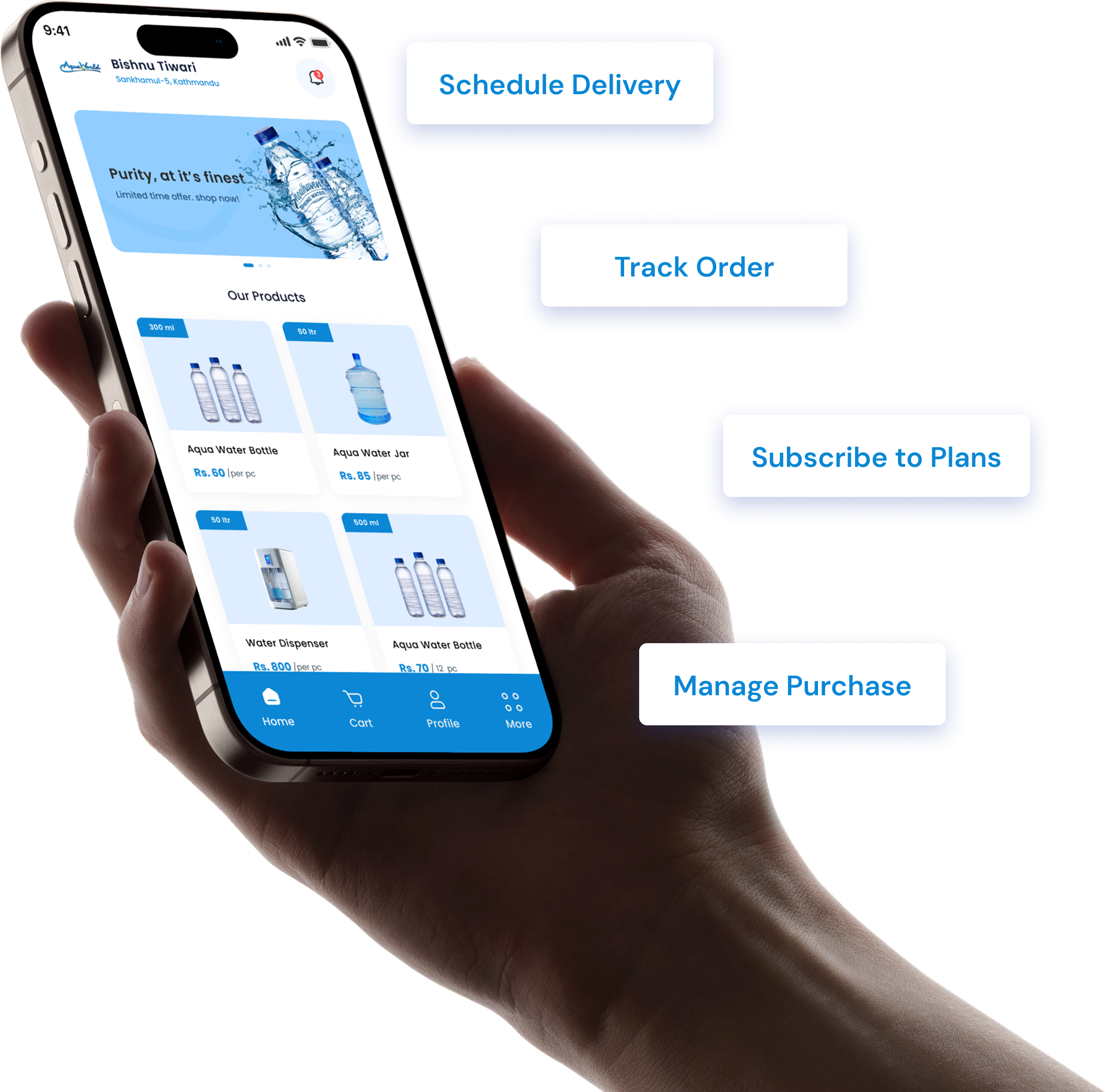
Aqua World offers purified drinking water in multiple sizes, including 20L jars and bottled water options, making it convenient for both families and workplaces.
Useful links
- Home: https://aquaworld.com.np
- About Us: https://aquaworld.com.np/about-us
- Products: https://aquaworld.com.np/products
- Contact: https://aquaworld.com.np/contact-us
Aqua World focuses on consistent purification, regular quality checks, and dependable delivery across Kathmandu Valley.
Tap Water vs Purified Jar Water Comparison
| Factor | Kathmandu Tap Water | Purified Jar Water |
|---|---|---|
| Safety | Variable; treatment often needed | Purified and tested |
| Microbial Risk | Higher risk of contamination | Lower when certified |
| Taste | May vary by area | Consistently cleaner taste |
| Convenience | Always available from tap | Delivered to home or office |
| Testing | Inconsistent household testing | Regular supplier testing |
| Infrastructure Dependence | Dependent on municipal pipes and storage | Independent sealed supply |
| Cost | Low direct cost | Moderate recurring cost |
| Best Use | Washing, cooking, treated drinking water | Daily drinking and office use |
Frequently Asked Questions
1. Can you drink Kathmandu tap water?
It is not recommended to drink Kathmandu tap water directly without treatment. Boiling, filtration, UV purification, or certified purified water are safer options.
2. Is Melamchi water safe to drink?
Melamchi water undergoes treatment before distribution, but contamination can still occur in pipelines or household storage tanks. Additional treatment at home is advisable.
3. What is the safest drinking water in Kathmandu?
Certified purified water, especially from reputable jar water suppliers with regular quality testing, is generally the safest and most convenient option.
4. How can I purify tap water at home in Kathmandu?
You can boil water, use a water filter, install a UV purifier, or use a reverse osmosis system. Combining filtration with disinfection provides better protection.
5. Is jar water better than tap water?
Properly purified jar water is usually safer than untreated tap water because it undergoes controlled purification and testing.
6. Which water delivery service is best in Kathmandu?
Choose a supplier that offers certified purification, sealed hygienic jars, regular testing, and reliable delivery. Aqua World is one trusted option serving Kathmandu Valley.
7. What diseases can unsafe water cause in Nepal?
Unsafe water can spread typhoid, cholera, dysentery, hepatitis A, and other diarrheal diseases.
8. Does boiling water remove all contaminants?
Boiling kills most microbes but does not remove heavy metals, chemicals, or excess minerals. Additional filtration may still be needed.
9. How often should rooftop water tanks be cleaned?
Experts generally recommend cleaning household water tanks at least every 6 months to reduce contamination risk.
10. Is bottled water Kathmandu residents buy always safe?
Not all bottled or jar water is equal. Choose reputable brands with quality certifications and proper hygiene practices.
Conclusion
So, is tap water safe to drink in Kathmandu? In 2026, the safest answer is: not without treatment. While Kathmandu’s water supply has improved with projects like Melamchi, contamination risks from aging infrastructure and household storage remain real concerns.
Safe drinking water should be a priority for every household and office. Whether you choose boiling, filtration, UV purification, or certified jar water, taking precautions can significantly reduce the risk of waterborne illness.
If you want a convenient and reliable solution, Aqua World provides quality-tested purified drinking water across Kathmandu Valley with dependable home and office delivery.
Looking for safe, purified drinking water delivered to your home or office? Aqua World provides quality-tested drinking water across Kathmandu Valley.